
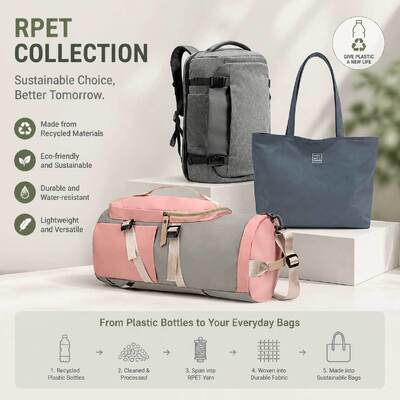

| Plaats van herkomst: | Jiangsuprovincie, China |
|---|---|
| Merknaam: | WEIHE |
| Certificering: | Can be customized according to customer requirements |
| Modelnummer: | WHZY-RPET PU 140 |
| Min. bestelaantal: | 1 rol per SKU (ca. 50/100 yards). Kleinere hoeveelheden zijn verkrijgbaar als gesneden stukken, tege |
| Prijs: | Depends on the specific color and quantity. |
| Verpakking Details: | Rolverpakking in plastic zak. |
| Levertijd: | Voor voorraad: 1-3 dagen; Voor aangepast: 25-30 dagen (afhankelijk van verschillende eisen en hoevee |
| Betalingscondities: | Volledige betaling voor kleine bestelling; 30% aanbetaling, 70% saldo vóór verzending voor hoeveelhe |
| Levering vermogen: | 3 miljoen meter per maand |
| MOQ: | 1 rol per SKU (ca. 50/100 yards). Kleinere hoeveelheden zijn verkrijgbaar als gesneden stukken, tege | Breedte: | 58”;147cm |
|---|---|---|---|
| Inhoud: | 100% RPET | Dikte: | 300D |
| Gewicht: | 130 g/m² | Dikte: | 0,3 mm |
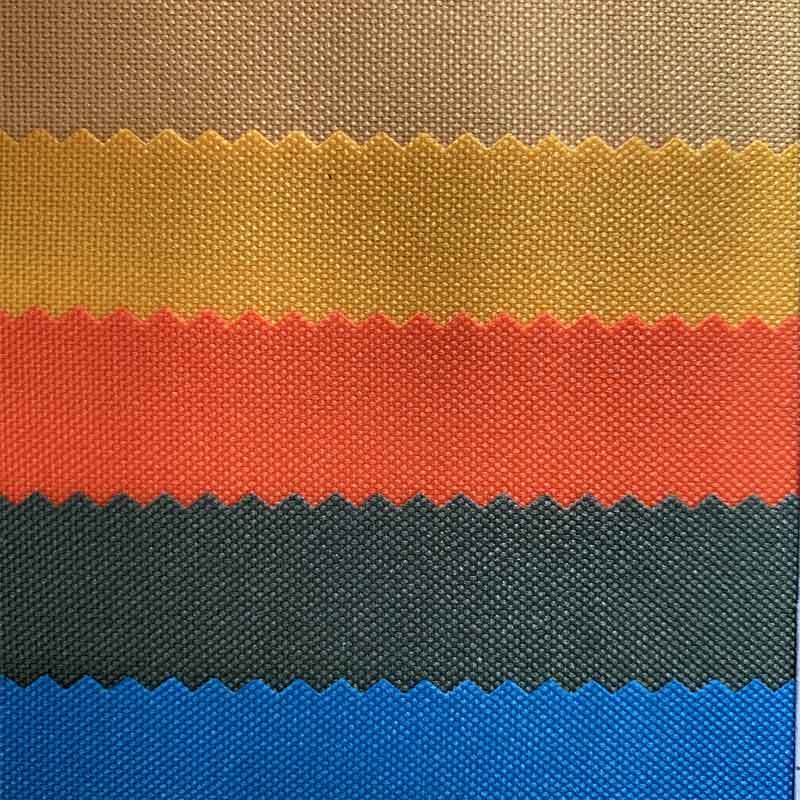
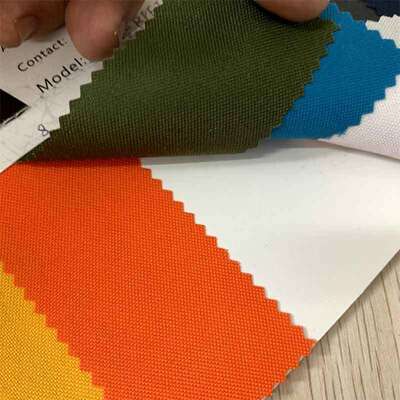
| Oppervlaktestijl: | 300D compact weefsel met hoge dichtheid (3×2-103T), PU-gecoat | Functie: | Compact weefsel met hoge dichtheid, lichtgewicht, waterdichte PU-coating, 100% gerecycled polyester, |
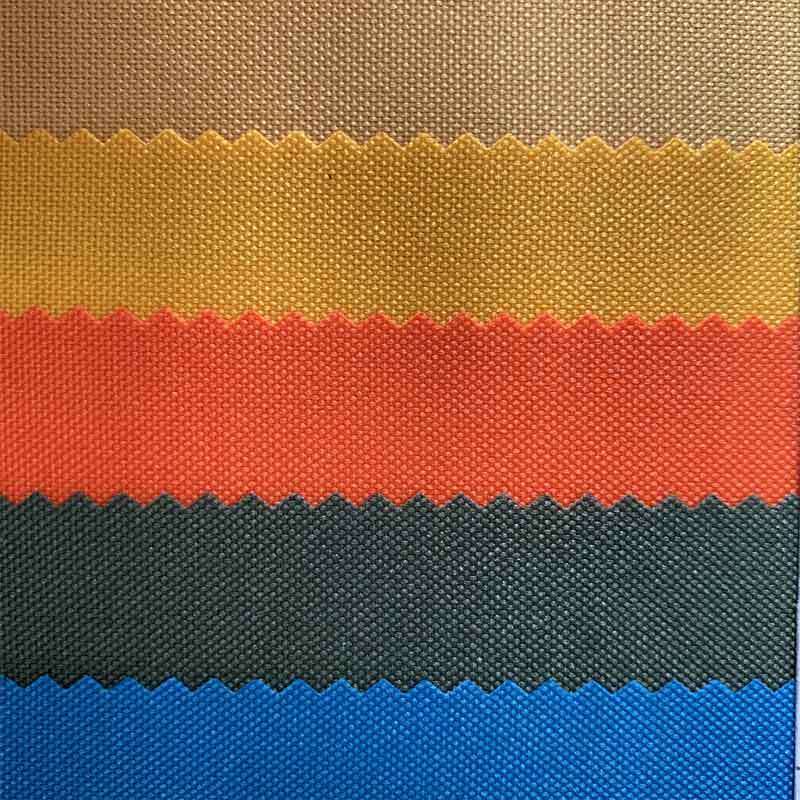
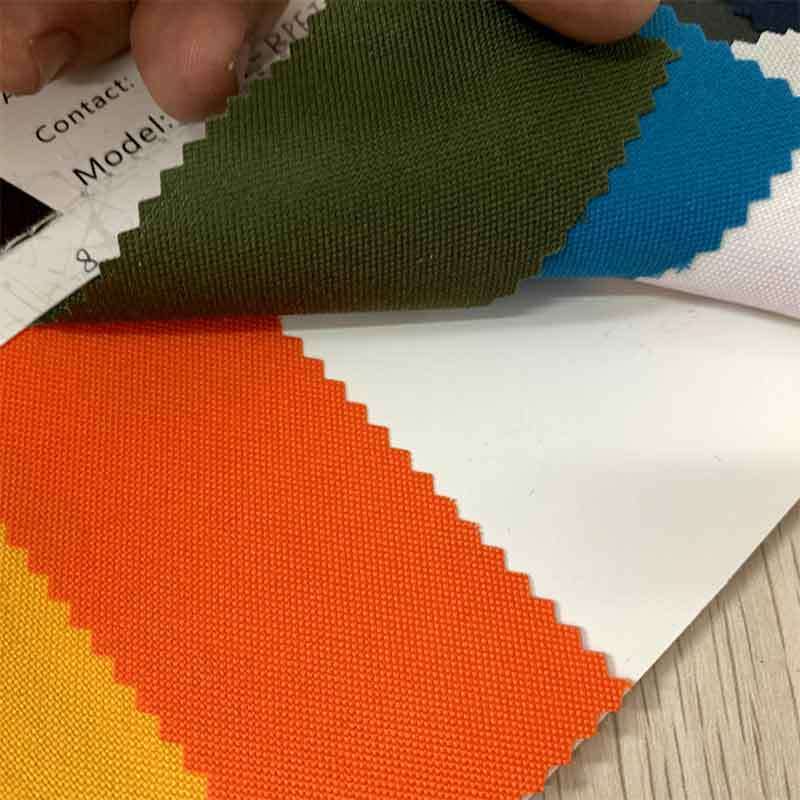
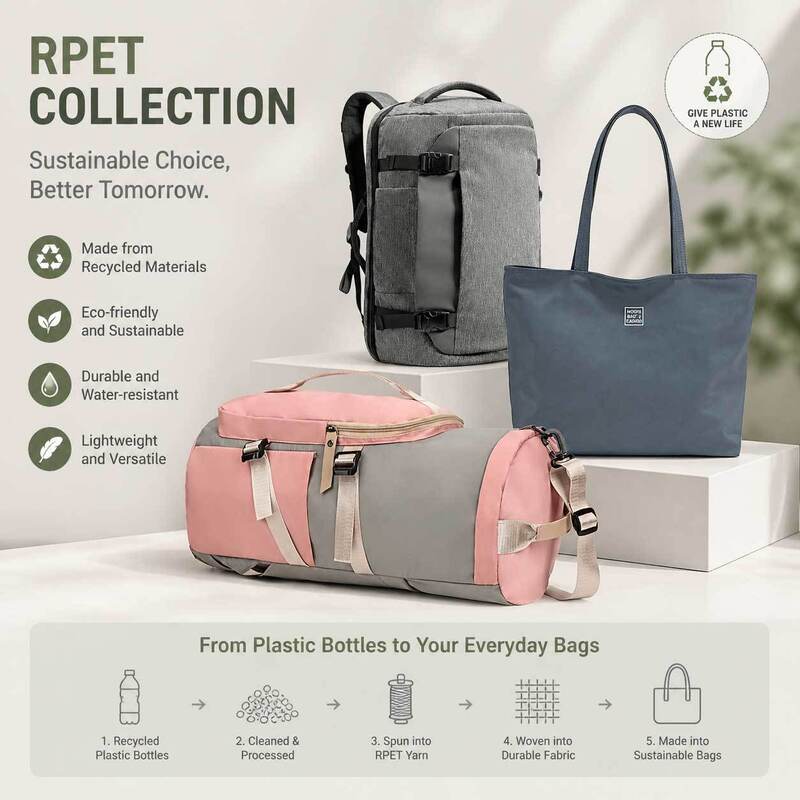
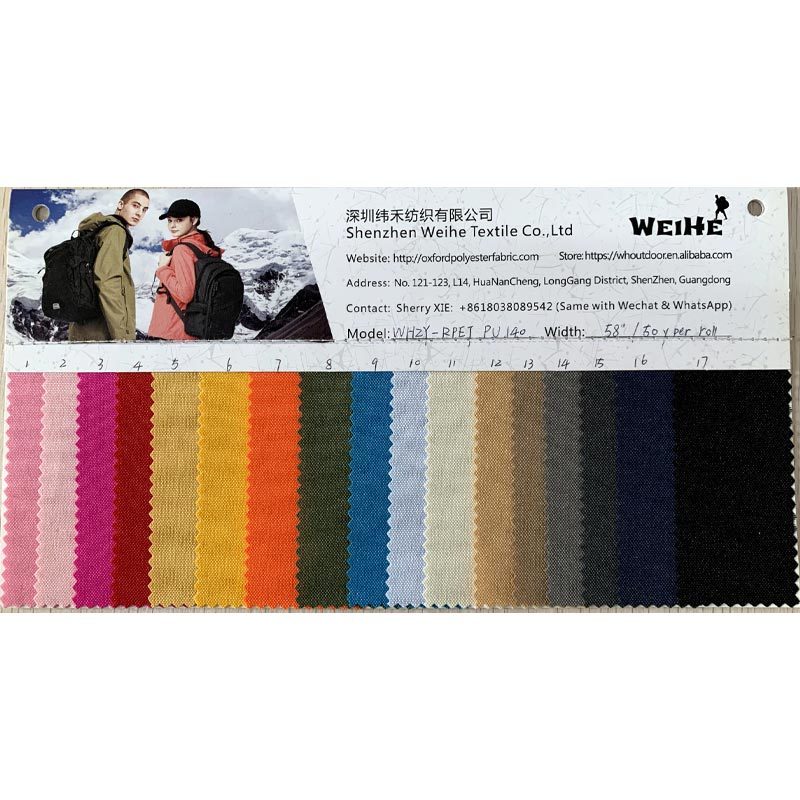
| Gebruik: | Dunne vrijetijdstassen, binnenvoeringpanelen, lichtgewicht draagtassen, inpakbare tassen, eco-zakjes | Kleur: | Zoals de getoonde kleurenkaarten, verwelkom kleuraanpassing. (Disclaimer - Werkelijke kleur kan vari |

Deze 300D rPET Oxford-stof met hoge dichtheid maakt gebruik van een compacte weefconstructie van 3×2-103T, waardoor een strak, glad oppervlak wordt bereikt, ondanks het lichte 130 g/m2 profiel.Het hoge aantal draden zorgt voor een dichter weefsel dan de standaard 300D OxfordHet gebruik van een PU-waterdichte coating zorgt voor een lagere luchtdoorlaatbaarheid en een meer verfijnde oppervlakteafwerking.
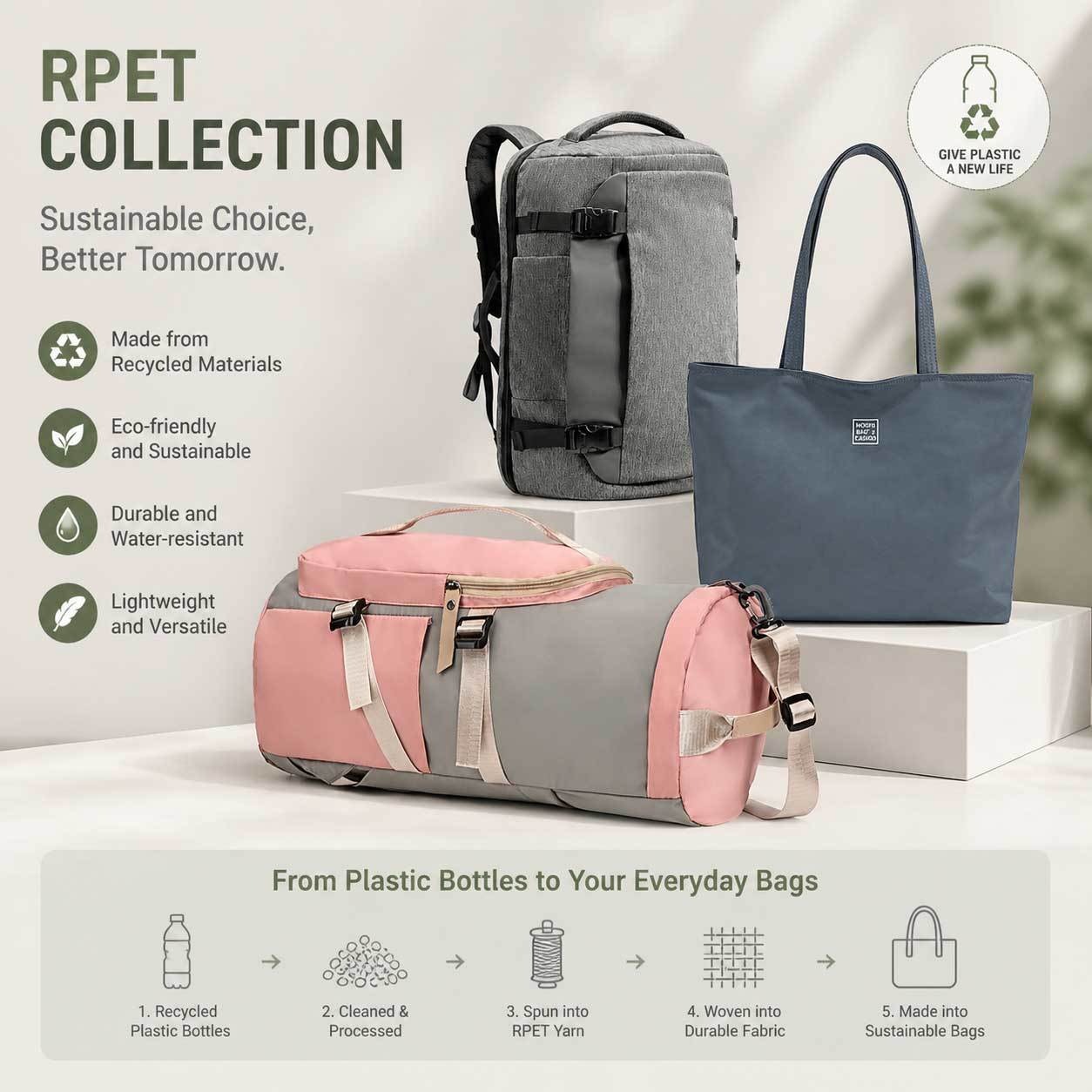
Gemaakt van 100% gerecycled PET-garens met een breedte van 147 cm. Geschikt voor toepassingen waarvoor een strak, glad, lichtgewicht weefsel met duurzame materiaalinformaties vereist is.
Veelgestelde vragen
Deze 300D-stof maakt gebruik van een compacte 103T weefsel, wat betekent dat er meer draden per centimeter worden verpakt dan de standaard 300D Oxford.Het resultaat is een strakker, gladder oppervlak ondanks het lage gewicht van 130 g/m2.
2Hoe vergelijkt dit zich met de standaard 300D Oxford?
Deze compacte versie heeft een hogere draaddichtheid, waardoor een gladder oppervlak, lagere luchtdoorlaatbaarheid,en een verfijnder uiterlijk met een vergelijkbaar gewicht.
3. Voor welke toepassingen is deze stof het meest geschikt?
4Zijn er monsters beschikbaar?
5Welke RPET-documentatie kunt u verstrekken?